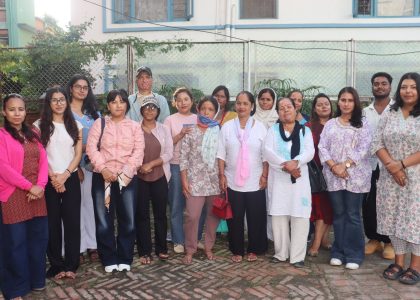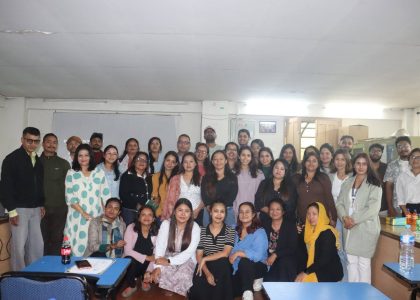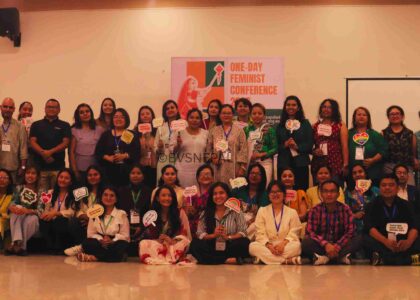
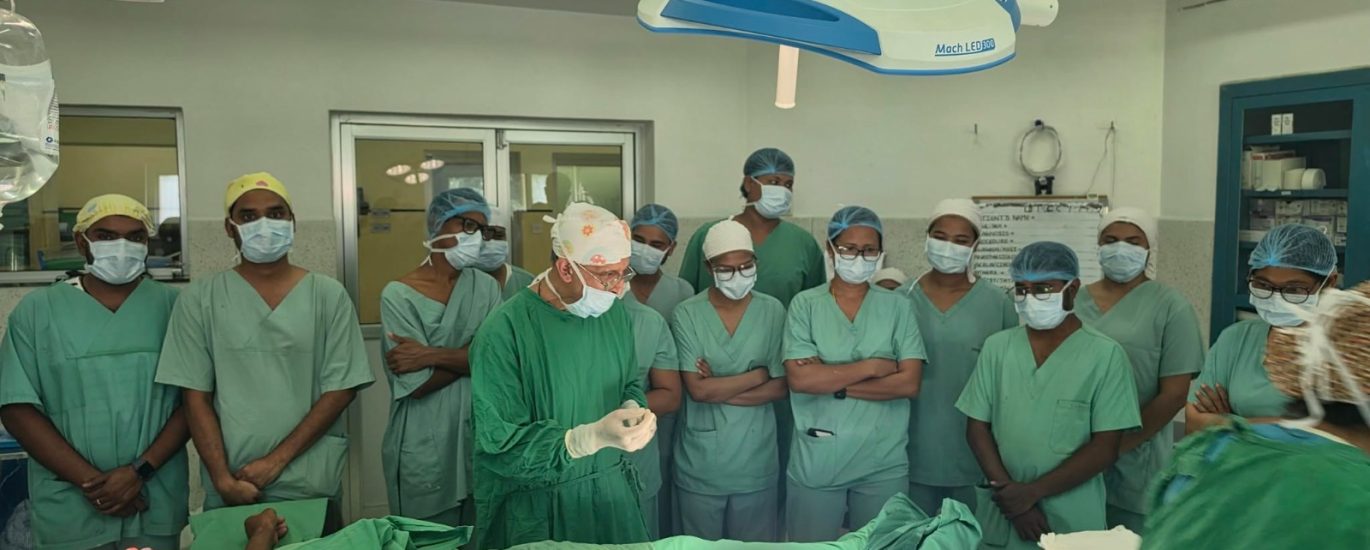
Burn Violence Survivors Nepal (BVS Nepal), in coordination with the National Health Training Centre (NHTC), has successfully completed a six-day training on primary burn care at Sushma Koirala Memorial Hospital. The training was organized to strengthen the capacity of healthcare professionals in burn management and develop a skilled workforce capable of providing timely and quality care to burn survivors. The initiative is also expected to contribute significantly to achieving the outcomes outlined in the Government of Nepal’s 100-point Governance Reform Programme.
A total of 16 healthcare professionals from seven hospitals across three provinces participated in the training. The participants received theoretical and practical training based on the primary burn care standards prescribed by the National Health Training Centre. Participants included medical officers, nursing staff, and healthcare professionals working in emergency departments from Kanchanpur Hospital, Saptari; Dadeldhura Hospital; Bardibas Hospital; Bardiya Hospital; Kanti Children’s Hospital; Bir Hospital; and Sushma Koirala Memorial Hospital.
The training sessions were facilitated by experienced trainers, including Professor Dr. Ishwari Lohani, Dr. Raju Bhandari, and other burn care experts. The participants were equipped with knowledge and practical skills related to the initial assessment and management of burn injuries, primary burn care, and effective treatment and referral practices.
Speaking at the closing ceremony, Dr. Bhakta Bahadur K.C., Chief of the Skill Development Section at the National Health Training Centre, urged the participating healthcare professionals to promptly apply the knowledge and skills acquired during the training in their respective workplaces and provide quality treatment and care to burn survivors.
Similarly, Chandra Sartunge, Project Coordinator of BVS Nepal, expressed confidence that the practical knowledge and skills gained through the training would be effectively implemented in the participating hospitals, contributing to improved access to and quality of care for burn survivors.
Representing the participants, Laxmi Narayan Chaudhary and Naranti Mahara described the training as highly effective and essential for strengthening burn care services. They expressed their commitment to implementing the action plans developed during the training, including establishing dedicated burn care units where feasible and improving the overall burn treatment process in their respective hospitals.
Professor Dr. Ishwar Lohani, the Chief Trainer of the programme, chaired the closing ceremony. He expressed gratitude to the National Health Training Centre, BVS Nepal, and all the trainers involved in the programme. He urged the participating healthcare professionals to put the knowledge and skills gained during the training into practice and play an effective role in saving the lives of burn survivors and improving their quality of care.
Dr. Lohani further highlighted that, beyond medical treatment, family and social reintegration remains a major challenge for burn survivors. He emphasized the need for families and communities to recognize and address the physical, economic, social, and psychological challenges faced by burn survivors. He also stressed the importance of collective efforts to promote social inclusion, dignity, equal opportunities, and a more equitable society for people affected by burns.
The training is expected to contribute to strengthening the quality and availability of burn care services, promoting timely and appropriate treatment, saving lives, and supporting the long-term rehabilitation and social reintegration of burn survivors in Nepal.
About the Author